Spine Support
Exoskeleton
PASSIVE SUPPORT EXOSKELETON
Designed for Prolonged Forward-Head Work
A passive support exoskeleton designed forprolonged forward-leaning precision work
Cervical spine pressure reduction: 92.5%
Lumbar pressure reduction: 10-15kg
Built to Support Prolonged Forward-Head Postures
Long hours of forward-leaning work can place continuous strain on the neck, shoulders, upper back, and lower back
The Spinal Support Exoskeleton helps distribute this load and provides stable ergonomic support throughout extended work sessions
Freedom of Movement
Designed to preserve headrotation and precise armmovement
Adjustable back length
Adjustable back support for heights from 155cm to 195cm
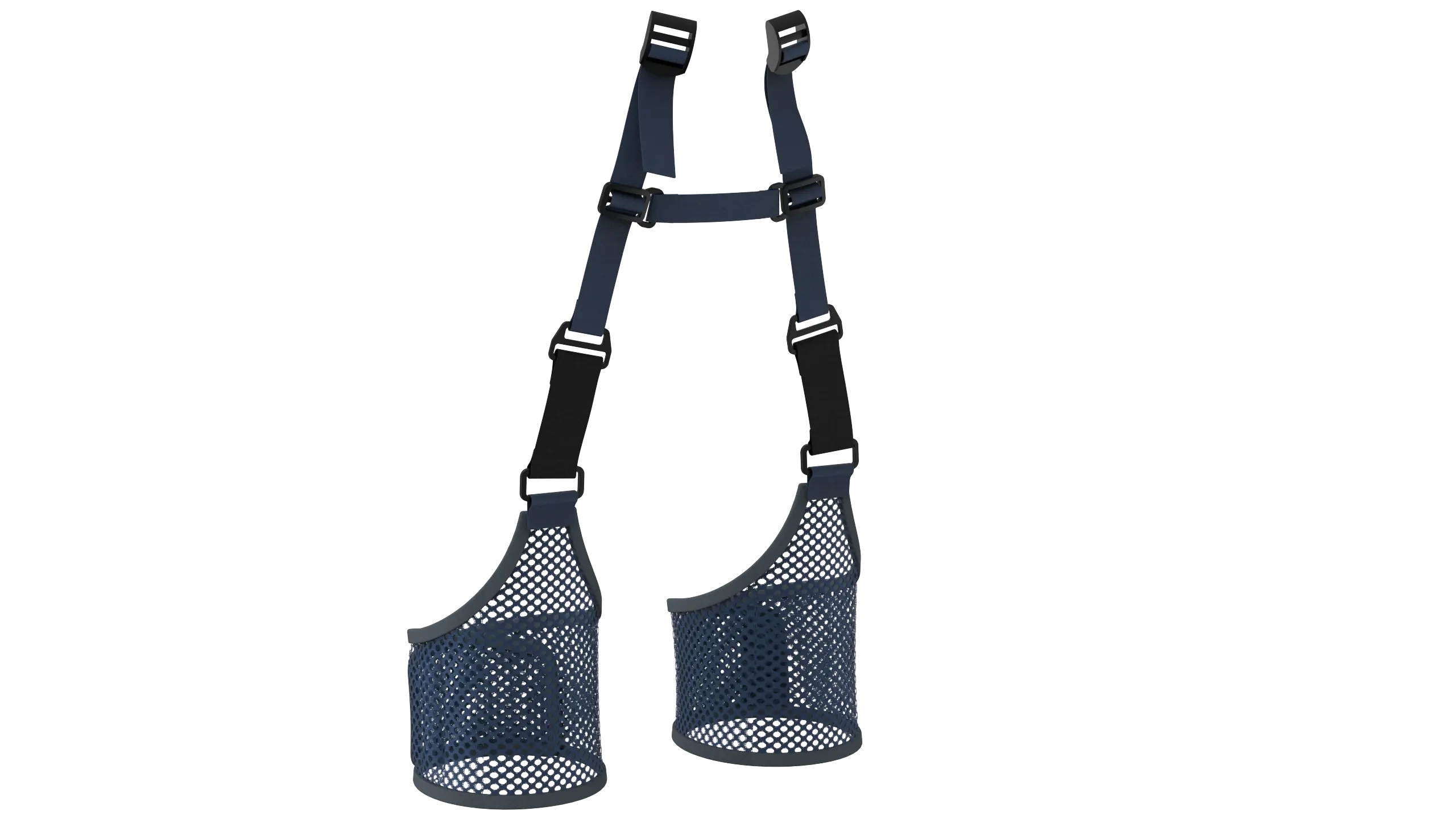
Leg attachment
The detachable leg module supports both standing and seated use. When bending forward, it provides lower-back support, reducing strain on the lumbar muscles and skeletal system
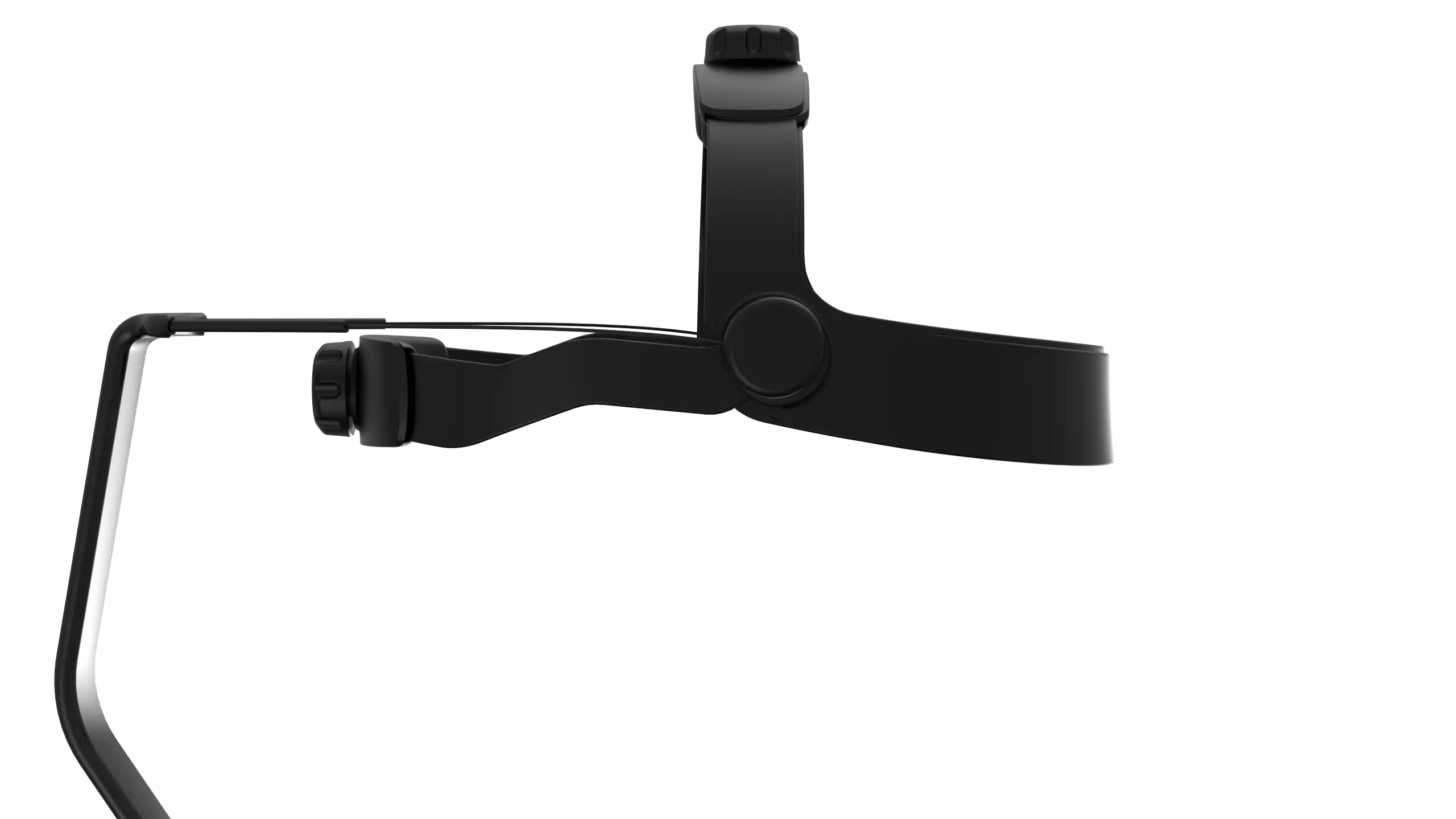
Head assembly
Three-axis adjustment system for a customized fit
Sterile sponge
Replaceable individually sterile-packaged foam pad
Flexible 3D-Printed Honeycomb Cushion
umbar and back cushions featuring a flexible 3D-printed honeycomb structure for enhanced breathability
Specifications
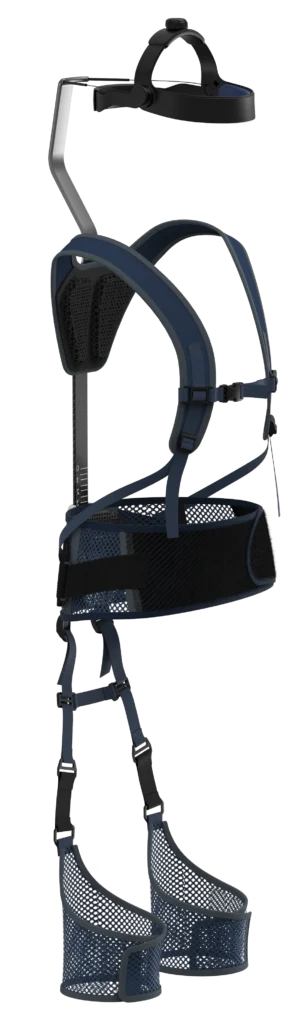
Engineered for the Way Professionals Work
From surgery and dentistry to microscopy and precision assembly,the neck support exoskeleton provides wearable assistance for professionals performing prolonged forward-head tasks
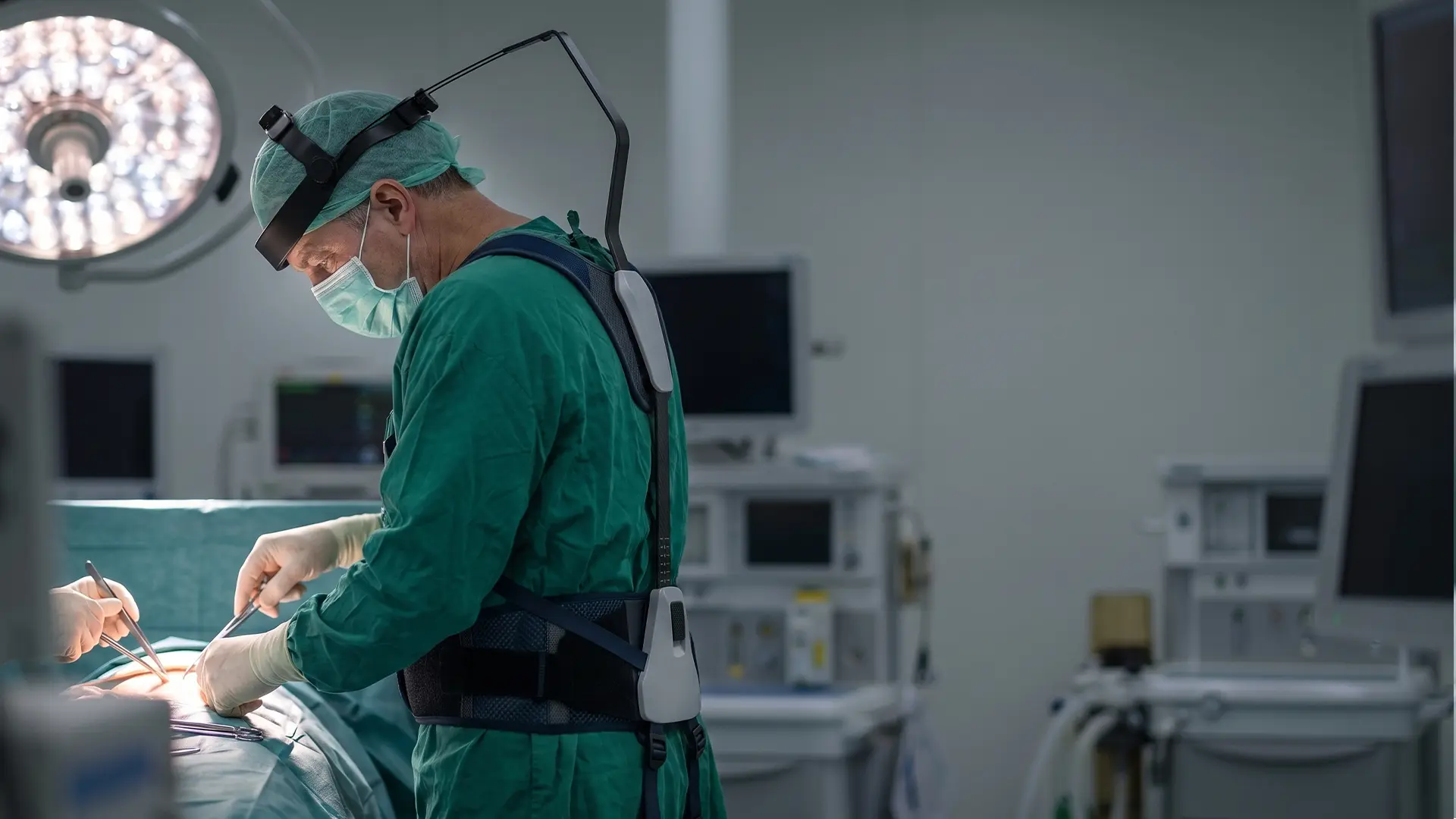
Surgery | Support Through Long Procedures
During surgery, clinicians often maintain a forward-leaning and relatively fixed posture for extended periods. Sustained neck flexion can lead to muscle fatigue and discomfort, making prolonged procedures increasingly demanding
The neck support exoskeleton provides continuous assistance as the head tilts forward. By helping redistribute part of the static load, it can reduce the muscular effort required to maintain a surgical posture and allow clinicians to devote more attention to the procedure itself
Industry Insight: Studies have reported neck-related musculoskeletal symptoms in 58.8%–72.9% of surveyed surgeon populations
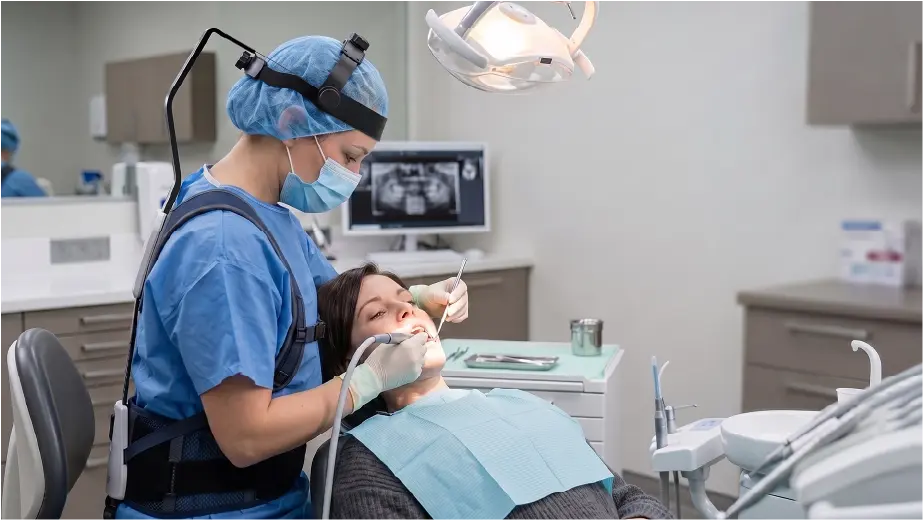
Dentistry | Greater Comfort at Close Range
To maintain a clear view of the treatment area, dental professionals frequently bend, tilt, or rotate their necks while performing precise work in a confined space. Repeated exposure to these postures can create persistent tension across the neck and shoulders
The wearable neck support provides additional assistance during treatment, helping reduce the muscular effort required to maintain a fixed working posture without occupying the user’s hands
Industry Insight: Systematic reviews report that approximately 17%–66% of dentists experience neck pain
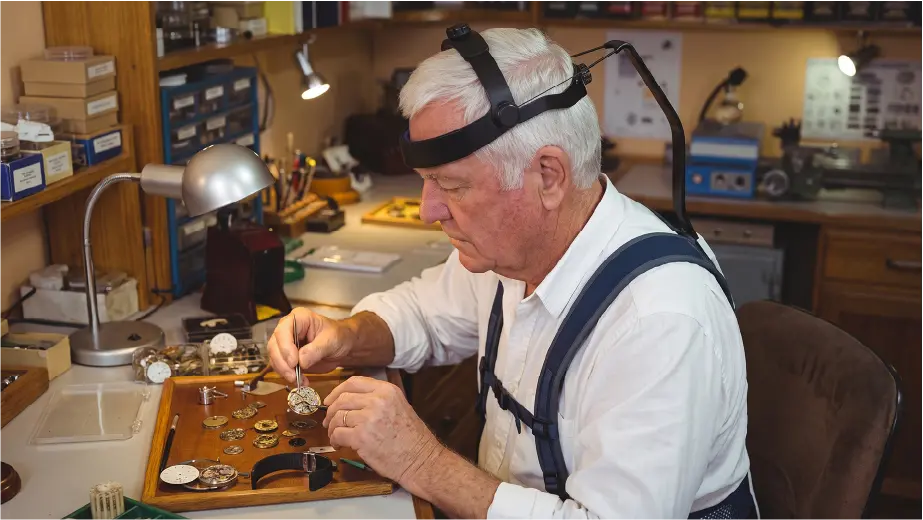
Precision Work | Focus on the Details, Not the Strain
Watch repair, jewelry making, and other precision tasks require users to observe small components at close range for extended periods. The more focused the work becomes, the more static the neck posture tends to be
By providing assistance during forward-head posture, the neck exoskeleton helps redistribute the sustained load of the head. This supports greater working comfort without interfering with the fine hand movements required for precision tasks
Microscopy | Stable Support for Extended Observation
Traditional microscope work often requires users to keep their eyes fixed on the eyepieces while maintaining a forward-leaning posture. Over time, this can contribute to stiffness and fatigue in the neck, shoulders, and upper back
The head and neck support exoskeleton provides stable assistance during microscope use, helping reduce the muscular effort required to maintain prolonged neck flexion
Industry Insight: In one study of laboratory technicians working with microscopes, 56.3% reported neck pain

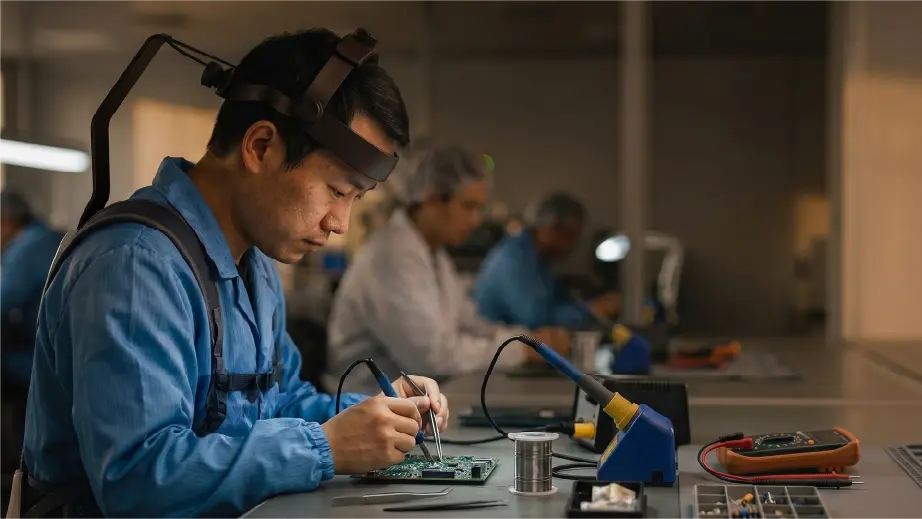
Electronics Assembly | Reduce the Burden of Repetitive Work
Soldering, inspection, and electronic component assembly involve repetitive hand movements and prolonged downward viewing. Fast-paced work combined with sustained neck flexion can gradually increase physical strain
The neck support exoskeleton assists the head and neck without occupying the user’s hands, helping reduce static muscular demand during detailed assembly work and supporting a more comfortable working posture
Industry Insight: A study of 700 electronics assembly workers found a 12-month prevalence of cervical musculoskeletal disorders of 29.4%. Prolonged neck flexion and extension were significantly associated with increased risk
Frequently Asked Questions
Learn more about how the neck support exoskeleton works, who it is designed for, how it is adjusted, and how to care for it
Safety and Legal Disclaimer
This product is an ergonomic support device designed to improve comfort and redistribute physical loads during tasks that require prolonged forward-leaning postures. It is not a medical device and is not intended to diagnose, treat, cure, or prevent any disease. It is not a substitute for medical treatment, medical devices, or rehabilitation equipment. Do not modify or disassemble the product. Adjust it to fit your body before use. Discontinue use if pain, numbness, dizziness, skin irritation, or other discomfort occurs